

For World Vision International Nepal:
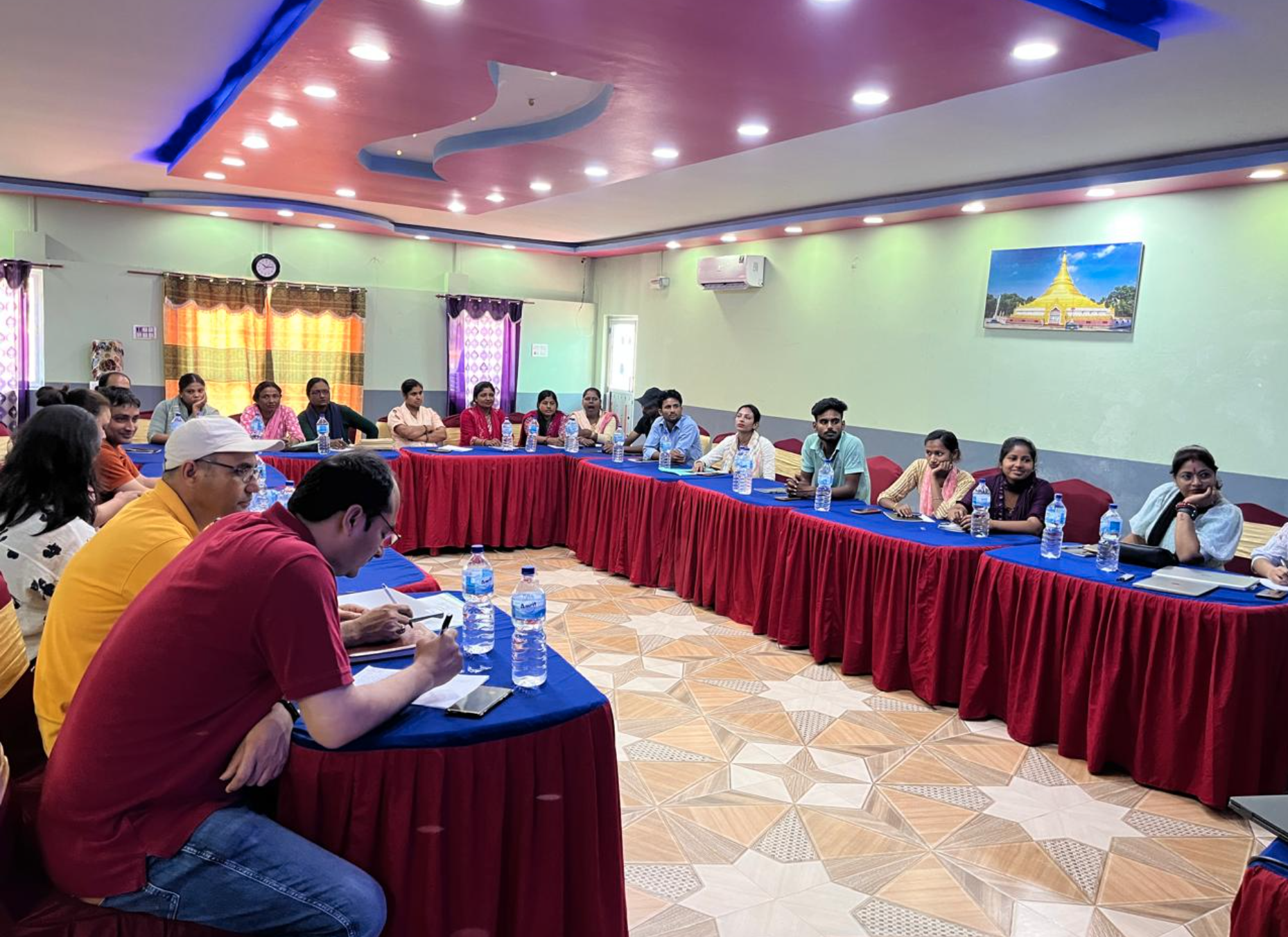
CREHSS implemented the Sikai+ Strengthening Inclusive Education Project in Nepal under World Vision International Nepal. The general objective of this study was to establish a benchmark value of the current situation in the project targeted Municipalities in relation to the project objectives. The Three specific objectives were a) To establish the starting point of the indicators for the goal and outcomes to track the changes at the evaluation; b) To set the targets for indicators and provide a foundation for ongoing outcome/annual monitoring; and c) Make necessary adjustments to the project based on the findings of the baseline. This baseline study used a cross-sectional concurrent mixed-method design. Quantitative data were collected through household, head teacher, and school surveys, as well as CB-EGRA indicators, while qualitative data came from FGDs and KIIs with key stakeholders at provincial, municipal, and local levels. The study was conducted in Madhav Narayan Municipality and Garuda Municipality from Rautahat District and Brahmapuri Rural Muncipality and Chandranagar Rural Municipality of Sarlahi district. For quantitative, 390 parents/guardian were covered in Sarlahi district. In Rautahat district (Garuda and Madhav Narayan municipalities), parents’ surveys were conducted in 430 households, and 301 adolescents (seven from each of 43 schools) were included and school observation was carried out in all 44 schools. The study team designed the survey materials along with the survey design and conducted 86 Interviews, 33 Key Informants Interviews (KII), 43 Interviews with Head teacher and 10 Focus Group Discussions (FGDs).